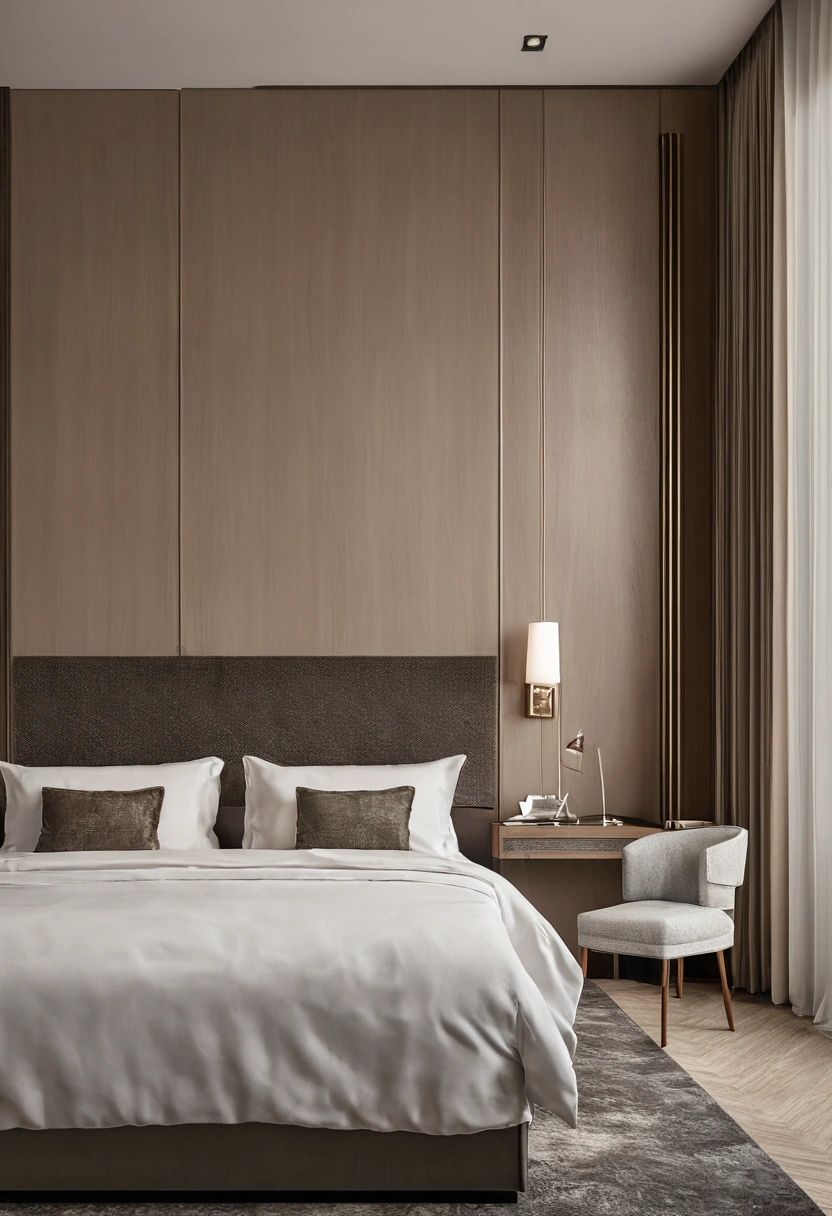
Specify Guest-Room Furniture That Can Be Repaired in Place
A hotel chair is useful only while guests can sit in it safely, housekeeping can clean it, and maintenance can address a fault. Repairability cannot be inferred from a photograph or a style name. A guest-room specification should ask how a loose joint, worn cover, damaged handle, or marked tabletop will be repaired and how long the room will be unavailable.
Guest rooms repeat the same actions: opening drawers, placing luggage, sitting, turning lights on and off, and cleaning after departure. That repetition makes small hardware and surface details operational choices. The goal is not to remove character from the room. It is to choose pieces whose components and care information can be found when the inevitable maintenance question arises.
What does repairability mean in a furniture specification?
Repairability means that a fault can be identified, parts can be reached or replaced, and the treatment can be carried out without destroying sound material. A supplier should explain how the chosen item is assembled, which parts are replaceable, which parts are repairable, and whether spare components will be available. A vague statement that a product is "durable" does not answer those questions.
The European Commission's Joint Research Centre report on furniture procurement identifies design for disassembly and repair, spare-part availability, and warranties as relevant criteria. The report concerns procurement criteria, not a verified performance claim for any particular product. It gives a useful set of questions for a hotel buyer to put to suppliers.
Ask for a component list. Can a damaged foot protector be replaced without changing the chair? Can a drawer runner be accessed? Can a seat cover be removed? Can a tabletop be locally treated, or must the whole piece be removed? The answer may vary by model. Write the supplier's answer beside the item in the room schedule, with the part reference where available.
Why should spare parts be discussed before an order?
Small components cause disproportionate disruption when a hotel cannot identify a compatible replacement. A missing handle can make a drawer difficult to use; a broken foot protector can damage flooring; one damaged cover can leave a chair out of service. A spare-part plan should state who supplies the part, how it is identified, and how the hotel will request it.
A European Commission case study of Helsinki furniture procurement describes requirements for obtainable legs, shelves, fasteners, and replaceable floor protectors during the warranty period. That is a particular public procurement example, not a universal hotel standard. It demonstrates how a buyer can turn the word "repairable" into a checkable supply obligation.
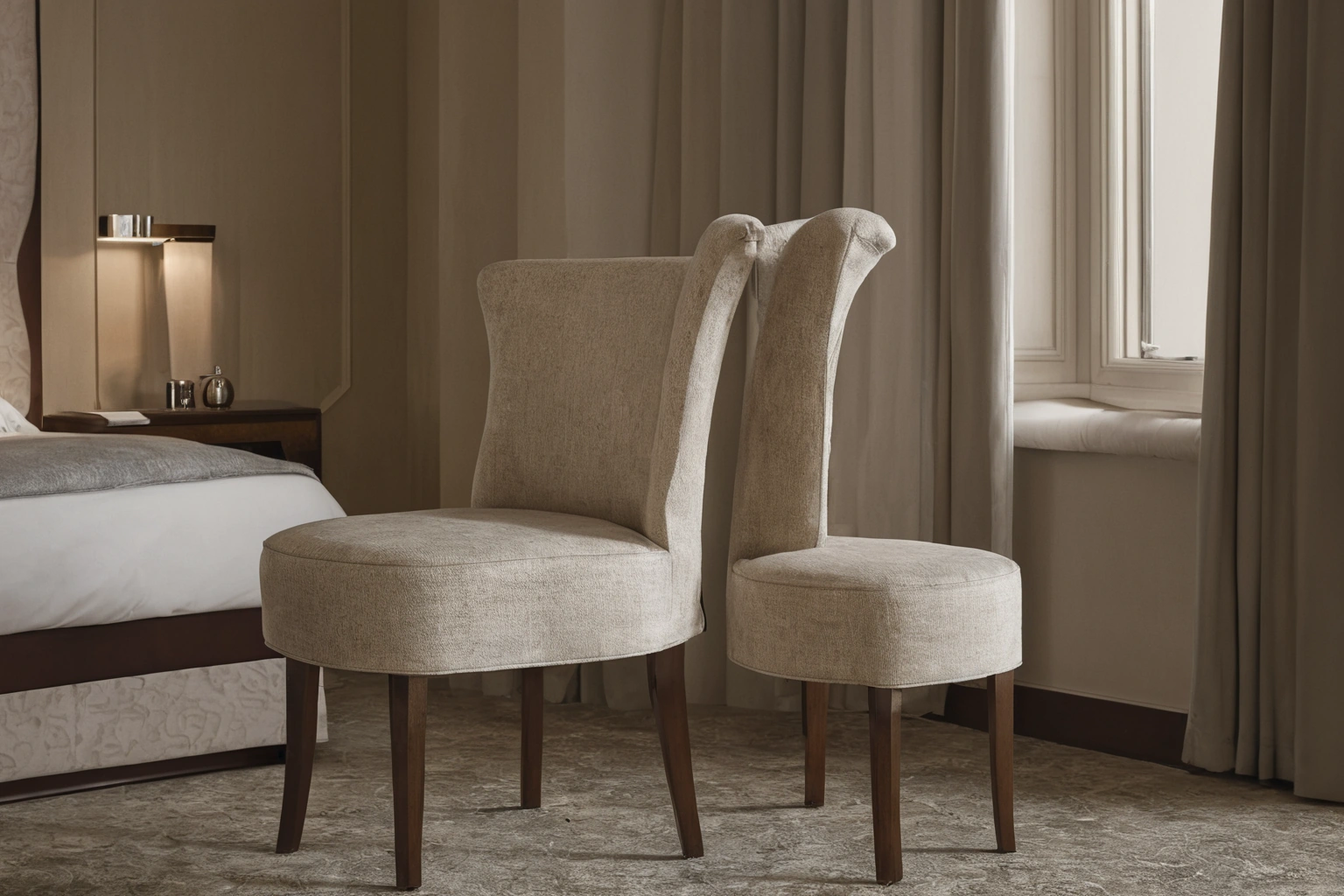
Record model, finish, upholstery code, and hardware reference at installation. If the item is custom, retain the approved sample or detailed image. A custom-made classic chair from Modenese Furniture, for example, should have its finish sample and upholstery reference filed under the room number before the first guest arrives. A replacement ordered years later may not match an aged finish exactly, so the maintenance plan should allow for testing the new part in room light. A procurement record that says only "wood chair" will not support that task.
| Item | Likely fault | Question for supplier |
|---|---|---|
| Chair | Loose joint or worn seat | Can the frame and cover be serviced separately? |
| Bedside table | Damaged runner or handle | Is compatible hardware identifiable and available? |
| Wardrobe | Door misalignment | Can hinges be adjusted without removing panels? |
| Table | Surface mark | What local treatment is approved for the finish? |
How does cleaning interact with furniture life?
Cleaning instructions must match the actual finish and covering. A product that tolerates one cleaning agent may be damaged by another. The U.S. Centers for Disease Control and Prevention's facility guidance says cleaning products should be appropriate for the surface and distinguishes ordinary cleaning from additional disinfection when circumstances call for it. Housekeeping needs a material-specific procedure rather than one spray used on every item.
Test the proposed cleaning method on a sample or less visible area according to supplier instructions. Give staff a short item list with the approved method and the condition that requires a maintenance call. A loose veneer edge or flaking finish should not be rubbed harder. The Canadian Conservation Institute warns that careless handling and environmental conditions can damage wooden furniture. Its conservation guidance is not a substitute for the selected manufacturer's instructions, but it supports cautious treatment of vulnerable surfaces.
Design can reduce cleaning burden. Furniture with reachable floor space can be cleaned without dragging it. A table with a protected landing area gives guests somewhere to put a wet glass. A seat cover that can be removed for proper cleaning may make a room easier to reset. The point is to choose features from the real housekeeping workflow, not to assume that a dark finish hides wear.
What should be inspected at each room turnover?
A turnover inspection can be short and still useful: check chair stability, handles, drawer travel, upholstery marks, tabletop damage, and the position of movable pieces. Record a fault by room and item number, with a photograph when useful. A recurring defect across several rooms may indicate a design or maintenance issue rather than isolated guest behavior.
The hotel should define a threshold for taking an item out of use. A loose joint or unstable chair deserves assessment before the next guest arrives. A small cosmetic mark may be recorded and treated on a scheduled repair day. The threshold must be based on safety and function, not solely on whether a defect is visible in a room photograph.
For a property with many identical rooms, a spare inventory can shorten downtime, but parts must match. If a supplier changes a finish or hinge, record the change so staff do not force a near-fitting component into place. If a piece is unique, retain the repair drawing and a local specialist contact. The room schedule should make both cases clear.
How can a hotel compare purchase and refurbishment?
Before replacing a worn piece, ask whether repair or refurbishment can restore safe use. The European Commission's hotel circular-economy guidance recommends repairing broken furniture when possible and choosing furniture whose covers or parts can be replaced. The document offers practice suggestions; it is not a price comparison for a particular hotel.
A proper comparison includes labor, shipping, room downtime, and whether the repaired item will continue to meet the room's needs. Replacing one chair in a matching set can create a visible mismatch. Refurbishing all chairs may be unnecessary if only one cover is worn. Ask for an item-level diagnosis before committing to either route.
The JRC procurement report also treats furniture refurbishment as a distinct service. That distinction can improve a hotel specification: the buyer can require an explanation of the work to be done, rather than a promise that old furniture will look new. A repair record should state what material was retained, what was replaced, and what care instructions changed afterward.
What belongs in the final furniture handover?
Keep a schedule of each model and room, supplier drawings, finish and fabric references, warranty terms, cleaning instructions, spare-part contacts, and photographs of the installed condition. Give maintenance staff access to the same information used by purchasing. A beautiful sample board in a design office does little for the person repairing a drawer on a busy afternoon.
Test a room before repeating the package across a property. Sit in the chair, open the storage, clean behind the table, and simulate a small repair. Confirm that a damaged part can be removed without scraping a wall or blocking the guest route. A hotel that tests serviceability before rollout can preserve both the appearance and availability of its rooms.