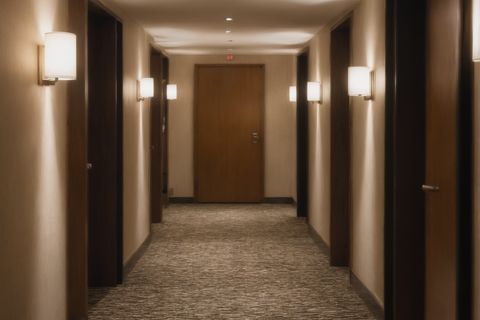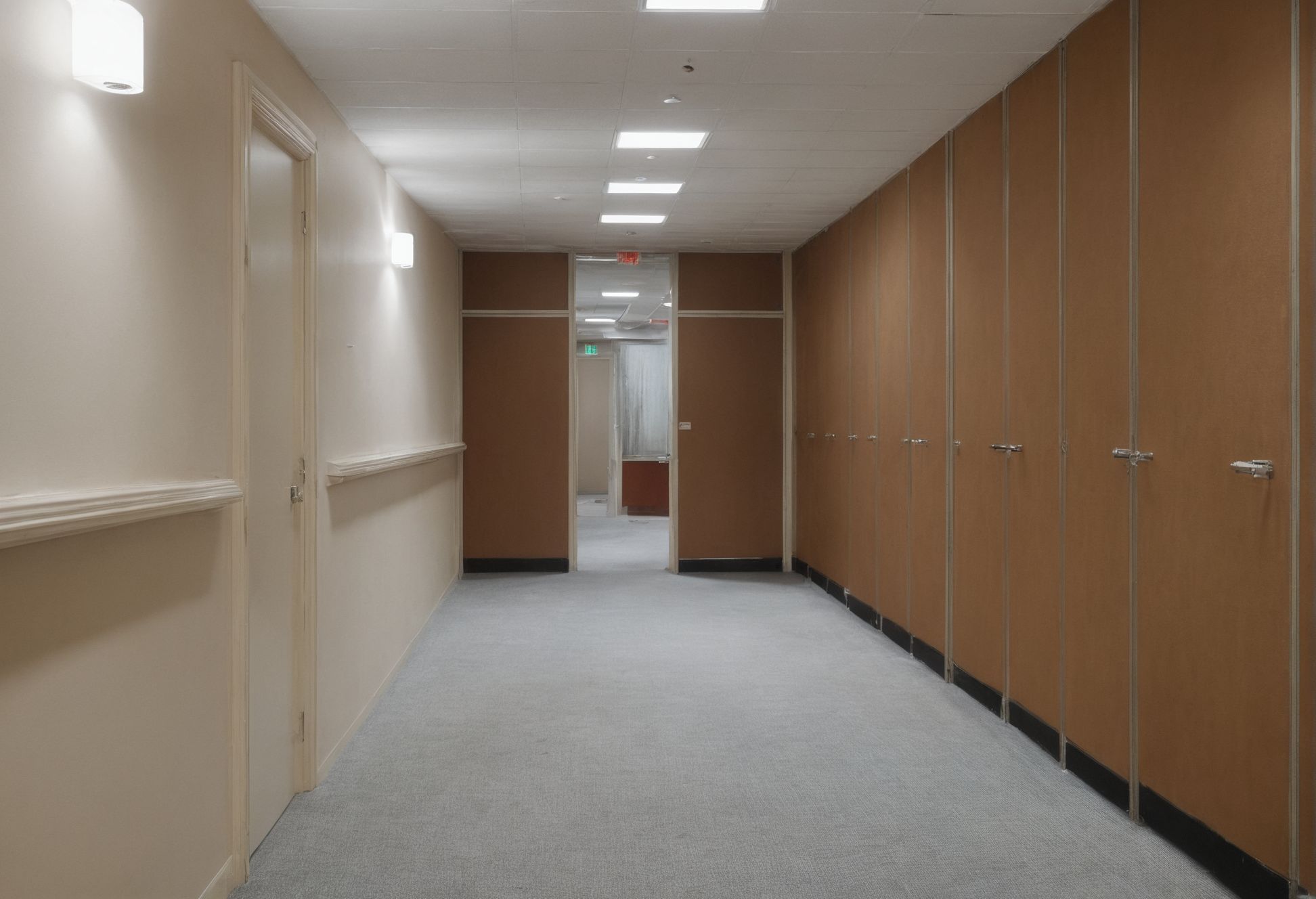
Closing a hotel for a renovation is simpler, but many owners cannot afford to lose a season of revenue, and some properties have contracts or regular guests that make closure impractical. Renovating while the hotel stays open is possible, but it changes the job. Speed matters less than control: control of where the work is, what leaves the work zone, when the loud tasks happen and what guests are told.
This article sets out how to phase the works, isolate dust and noise, keep accessible routes and fire protection in place, and handle guest communication.
How should the works be phased?
Phase by complete, separable zones, such as a whole floor, a vertical stack of rooms or a wing, so that guests and workers never share a corridor. A phase should have its own access route for workers and materials, ideally a service elevator or a stair that guests do not use, and a clear boundary that can be sealed.
Plan the sequence around the building, not only around the room count. Work above or beside occupied rooms transmits noise and vibration through the structure, so a floor under renovation is usually best paired with closed or lightly sold rooms directly above and below it. Shared systems matter too: if a phase requires shutting down a riser, a ventilation unit or a sprinkler zone, every room served by that system is affected, whether it is part of the phase or not.
Build a mock-up room first and finish it completely. It shows the real duration of each trade, exposes design problems before they are repeated across a floor, and gives sales and operations staff something to show guests.
How do you keep dust and odors out of occupied areas?
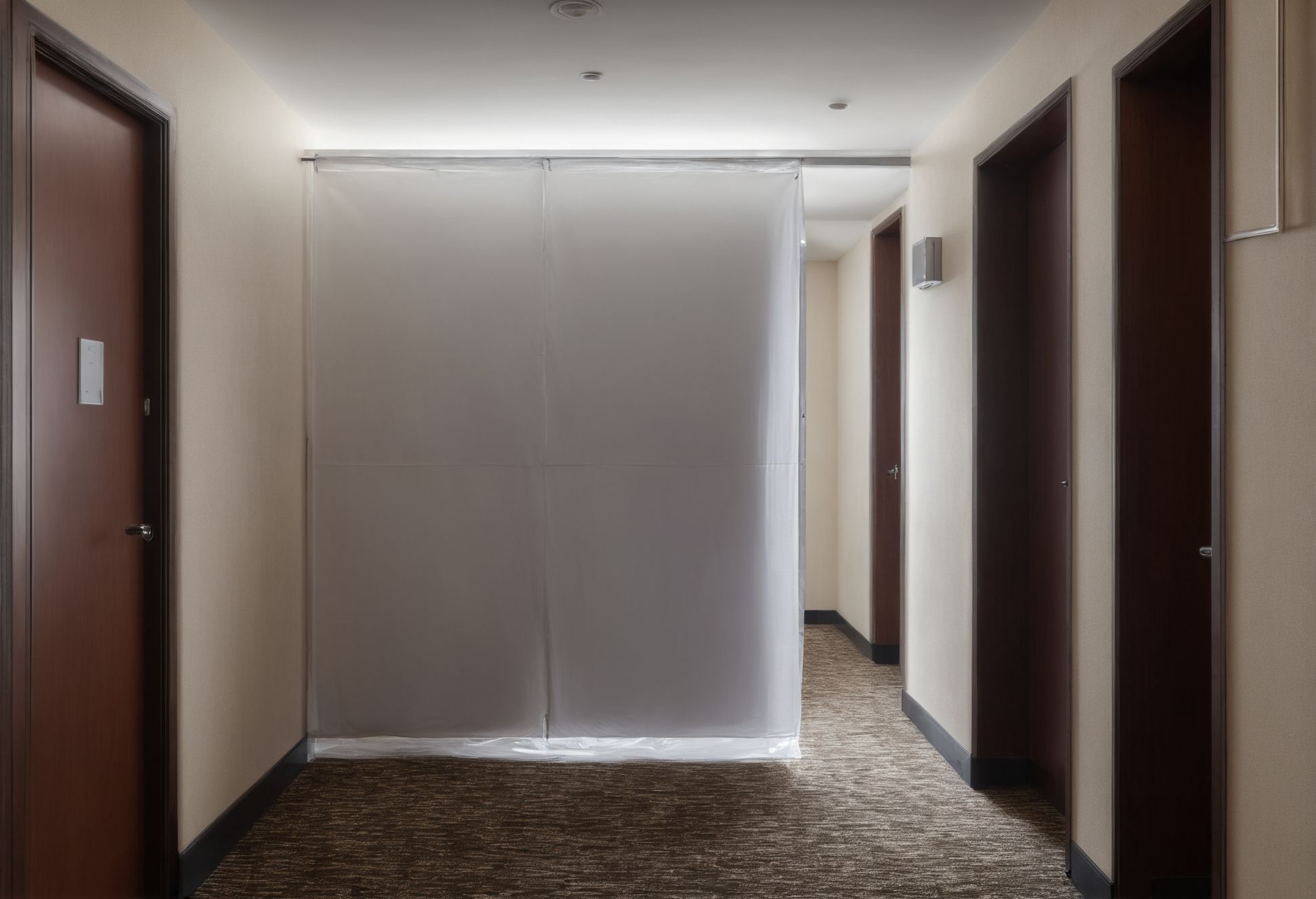
Seal the work zone, stop the ventilation system from carrying its air into other areas, and schedule the dustiest work for when fewer people are present. The U.S. EPA's Building Air Quality guide for building owners and facility managers sets out exactly these steps for renovation and remodeling: schedule activities that produce dust, odors or emissions for unoccupied periods if possible; block off return registers so that contaminants are not recirculated from the demolition or construction area into adjoining areas; install temporary barriers to confine dust and noise; and, if possible, install temporary local exhaust and check that the ventilation system is operating as planned.
The same guide recommends specifying products and processes that minimize odors and emissions and requesting information on chemical emissions from suppliers. Adhesives, paints and finishes chosen with this in mind cut complaints from neighboring rooms, and they shorten the time a finished room needs before it can be sold.
Protect the route out of the work zone as well. Debris should leave through a dedicated route and service elevator, in closed containers, and walk-off mats at the zone door reduce tracking into guest areas. Housekeeping should check the corridors next to the zone more often while works are under way.
What are the rules for workers?
Workers on site are protected by their own regulations, and those rules shape the plan. In the United States, OSHA's construction standard for respirable crystalline silica deals with dust from work such as sawing, drilling and grinding stone, concrete, brick and block; OSHA notes that applying water to a saw blade substantially reduces the dust these cuts create. Every construction employer covered by the standard must have a written exposure control plan that identifies tasks with exposure and the methods used to protect workers, including procedures to restrict access to work areas where high exposures may occur, and must restrict housekeeping practices that expose workers to silica where feasible alternatives are available.
OSHA's guidance on noise in construction notes that a continuing, effective hearing conservation program must be administered when construction workers' exposures exceed 90 dBA as a time-weighted average. The tasks that trigger these rules, such as demolition, core drilling and cutting, are also the tasks most likely to disturb guests. Grouping them into defined time windows serves workers and guests at once.
How should building services be handled during a phase?
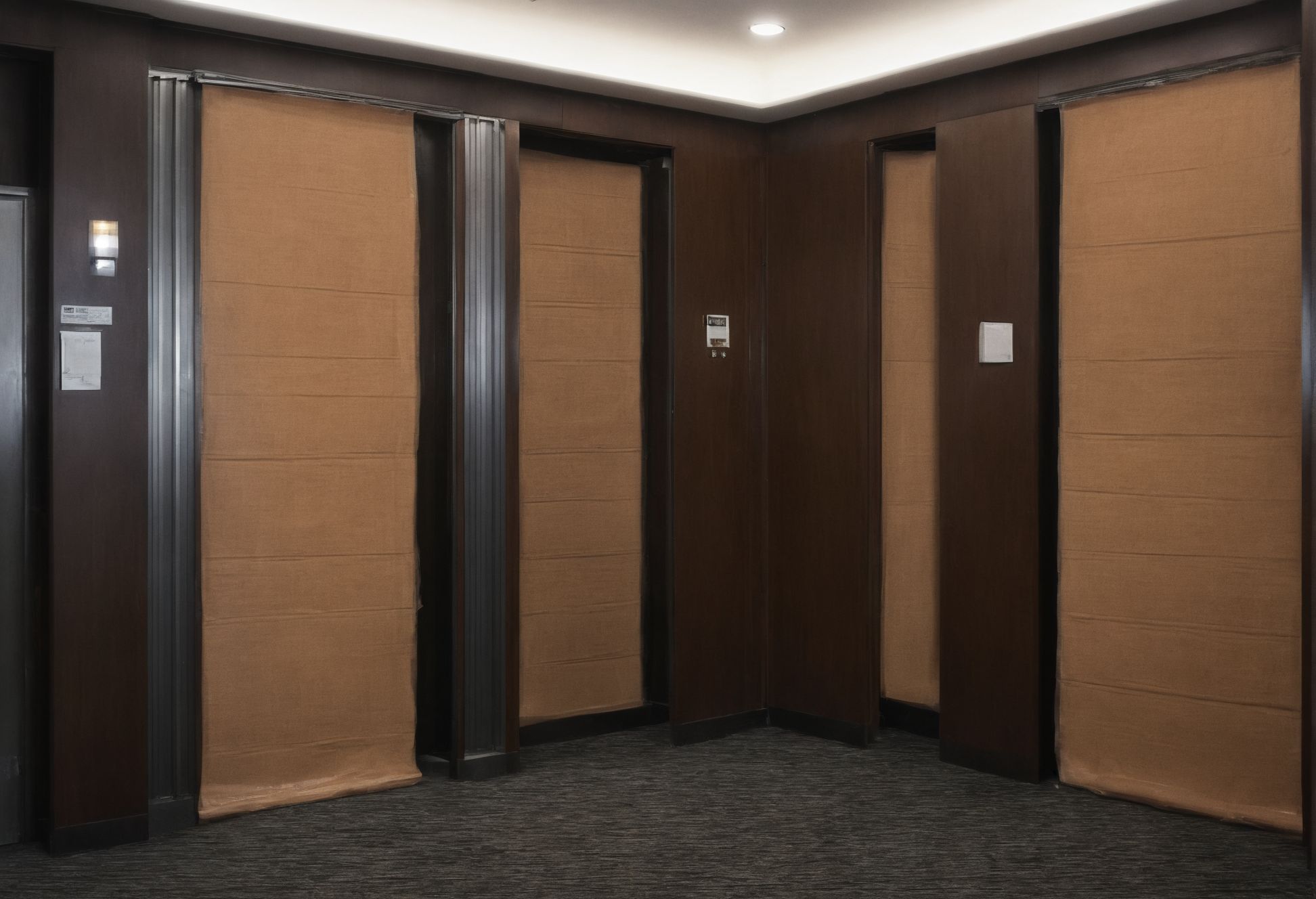
Building services rarely follow the phase boundaries. Water, drainage, heating and cooling, ventilation, power, data and life-safety systems often run vertically through stacks of rooms or serve whole floors from a single plant room. Before fixing the phase plan, map which services cross into each work zone and what happens to the rooms around it when they are isolated.
Plan shutdowns as events. Agree the time window with operations, notify guests in affected rooms in advance, prepare the tools and parts so the outage is as short as possible, and confirm that the system is restored and working before the work crew leaves. Water shutdowns need particular care because pipework that is drained and refilled can deliver discoloured water for a period afterwards, so flush outlets in the affected rooms before they are sold again.
Temporary services also need design. Site power, lighting and ventilation in the work zone should not depend on circuits or units that also serve occupied rooms, so that a fault on site does not leave guests without power or air.
How do accessibility and fire safety continue during works?
Accessible features must keep working. Under the U.S. Department of Justice regulation on maintenance of accessible features, a public accommodation must maintain the features required to be readily accessible to and usable by people with disabilities in operable working condition; the regulation allows isolated or temporary interruptions in service or access due to maintenance or repairs. A phase plan that takes the only accessible elevator out of service for weeks, or closes all of the accessible guest rooms at once, is unlikely to be either isolated or temporary. Sequence the accessible rooms across phases and keep an accessible route to every area that stays open.
Fire safety during works is a discipline of its own. The National Fire Protection Association's NFPA 241 provides measures for preventing or minimizing fire damage during construction, alteration or demolition. Temporary partitions, impaired sprinkler or alarm zones, hot work and stored materials all change the fire strategy of an occupied building. The phase plan should be reviewed with the fire engineer and the local authority having jurisdiction, and exit routes from occupied areas must not pass through the work zone.
What should guests be told?
Tell guests before they arrive and again at check-in, in plain terms: which areas are under renovation, the hours when noise is likely, and what the hotel is doing about it. Offer rooms away from the works first, and give front-desk staff the current phase plan so their answers match what guests hear.
Keep the promises small enough to keep. "No noisy work before 9 a.m." is useful only if the contractor's schedule and the site rules enforce it. A single point of contact on site who can stop a noisy task when there is a complaint makes those promises believable.

How do you hand a renovated floor back to sale?
Inspect it as a guest would, then as the engineering team would. Punch-list the finishes, test every fixture and control, check door seals and fire-stopping, clean the ventilation grilles and let the rooms air before they are sold. Collect the handover information for each room at the same time: finish references, product data, cleaning instructions and spare parts. Only then open the next phase. Keeping each zone tightly closed and returning it to sale in good order causes fewer complaints than moving faster across the whole building.